German chamomile and Roman chamomile
Botanical Family : Asteraceae
Native to : Europe & Western Asia
Researched by : Jana Rinehart

Botanical Family:
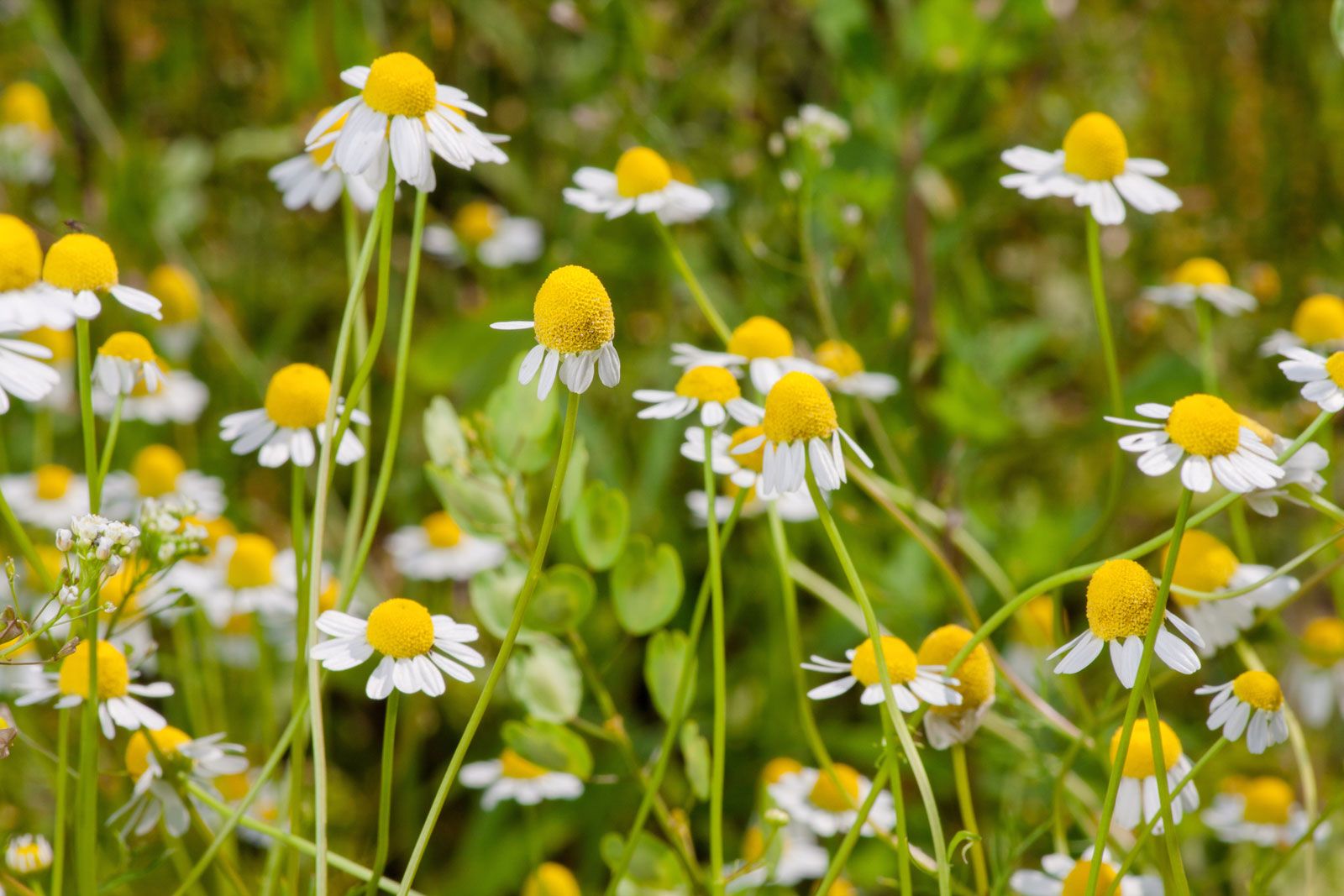
Chamomile refers to a group of daisy-like plants belonging to the Asteraceae family, commonly used in traditional and modern medicine. The two most popular varieties are German chamomile (Matricaria recutita) and Roman chamomile (Chamaemelum nobile). Both have been prized for their calming effects and diverse medicinal applications.
German Chamomile: An annual plant growing up to 60 cm tall, with small white flowers and a
strong apple-like scent.
Roman Chamomile: A perennial low-growing plant with similar white flowers and a slightly
bitter aroma.
Cultivation:
Cultivating chamomile is fairly easy and rewarding, as it’s a hardy herb that thrives in many environments.
There are two main types you can grow:
German chamomile (Matricaria recutita): an annual that self-seeds easily.
Roman chamomile (Chamaemelum nobile): a perennial groundcover.
- Choose the Right Type
German chamomile: taller, used more for tea; grows 15–24 inches high.
Roman chamomile: shorter, more ground-hugging; used for lawns or decorative edging. - Select the Right Location
Sunlight: Full sun is best, though partial shade is tolerated.
Soil: Light, well-drained soil with a neutral to slightly acidic pH (5.6–7.5).
Avoid heavy clay or constantly soggy soils. - Planting
From Seeds:
Indoors: Start 6–8 weeks before last frost. Sow on top of soil—seeds need light to germinate.
Outdoors: Direct sow after danger of frost. Scatter seeds and lightly press into soil.
Spacing:
Space plants about 8–12 inches apart.
Thin seedlings when 2 inches tall. - Watering
Keep the soil moist but not soggy during germination.
Once established, chamomile is drought-tolerant—water when top inch of soil is dry. - Maintenance
No fertilizer needed, chamomile prefers poor soil.
Weed control: Light mulching helps retain moisture and reduce weeds.
Prune to encourage bushier growth and more flowers. - Harvesting
Harvest flowers when they are fully open, usually mid-morning after dew dries.
Use fresh or dry tea and medicinal uses.
To dry:
Spread flowers on a screen or paper towel in a warm, dry, dark place.
Store in an airtight container once fully dry.
Additional Tips:
Chamomile attracts beneficial insects like bees and hoverflies.
Companion plant it with onions, cabbage, or mint to repel pests.
Folklore & Traditional Uses:
Ancient Origins:
Chamomile (Matricaria recutitaor Chamaemelum nobile) has been used for thousands of years as a medicinal and ceremonial herb.
Ancient Egypt: Chamomile was highly revered. It was associated with the sun god Ra and used for fever reduction and cosmetic purposes. Egyptians used chamomile in embalming oils and as a treatment for malaria and skin conditions.
Ancient Greece and Rome: The Greeks called it chamaimēlon (“ground apple”) due to its apple-like scent. Hippocrates, the father of medicine, recommended chamomile for fevers and female disorders. Roman physicians used it in baths, incense, and wound healing.
Middle Ages: During the Middle Ages in Europe, chamomile became a staple of monastic and folk medicine: Used to treat indigestion, anxiety, and insomnia. Added to strewing herbs (scattered on floors) for their pleasant smell and presumed ability to purify the air. Popular in medieval gardens, especially monastery herb gardens.
Renaissance and Early Modern Europe:
Herbalists such as Nicholas Culpeper in the 17th century praised chamomile for its:
- Anti-inflammatory properties
- Use in digestive complaints, liver problems, and female reproductive health
- Chamomile tea became popular during this era, often used as a calming beverage.
Industrial Age to Modern Times: In the 19th and 20th centuries, chamomile was widely cultivated and commercialized in Europe and North America. Recognized in pharmacopoeias (official drug registries) of many countries. Became a standard ingredient in herbal teas, salves, and cosmetics.
Modern & Medicinal Uses:
Today, chamomile is one of the most widely consumed herbal remedies in the world.
Its dried flowers are used in:
Teas for relaxation and sleep
Skincare products for soothing effects
Natural medicine for inflammation, digestion, anxiety, and menstrual pain
Chamomile (Matricaria recutita– German chamomile, and Chamaemelum nobile – Roman
chamomile) is a widely used medicinal herb with a long history in traditional and modern herbal
medicine. It is primarily known for its anti-inflammatory, antispasmodic, sedative, and digestive
properties.
- Promotes Sleep and Reduces Anxiety
Chamomile is commonly used as a mild sedative to help with:
Insomnia
Restlessness
Stress and anxiety
Apigenin, a flavonoid in chamomile, binds to brain receptors that help promote relaxation.
Common form: Chamomile tea, capsules, or tinctures taken before bed. - Supports Digestive Health
Chamomile helps alleviate:
Indigestion
Gas and bloating
Nausea
Irritable bowel syndrome (IBS)
Its antispasmodic effects help relax the muscles of the intestines.
Common form: Tea or liquid extracts. - Anti-Inflammatory and Pain Relief
Used to reduce inflammation in conditions like:
Arthritis
Muscle pain
Headaches
Topical chamomile may relieve joint pain or skin inflammation.
Common form: Essential oil or compress. - Skin Care and Wound Healing
Chamomile has antimicrobial and anti-inflammatory effects that support skin healing.
Treats eczema, minor burns, rashes, and acne
Speeds healing of cuts and scrapes
Common form: Creams, ointments, or chamomile-infused water. - Menstrual and Reproductive Health
Chamomile can relieve:
Menstrual cramps
Mood swings
PMS symptoms
Its antispasmodic and calming actions soothe uterine muscle tension.
Common form: Tea or tincture during the menstrual cycle. - Immune System Support
May boost immunity due to its antioxidant and antibacterial properties.
Traditionally used to help prevent or treat common colds, sore throats, and fevers. - Safety and Precautions
Generally safe for most people.
May cause allergic reactions, especially in people allergic to ragweed, daisies, or marigolds.
May interact with blood thinners and sedatives—consult a doctor before use if taking medications or during pregnancy.
Recipes:
Simple Chamomile Tea
Ingredients:
1 Tbsp dried chamomile flowers (or 1 chamomile tea bag)
1 cup boiling water
Honey or lemon (optional)
Instructions:
Strain and sweeten if desired.
Steep flowers in hot water for 5–10 minutes.
Chamomile Shortbread Cookies
Ingredients:
1 cup unsalted butter (softened)
½ cup powdered sugar
2 cups all-purpose flour
2 tsp dried chamomile (ground or crushed)
Pinch of salt
Optional: lemon zest
Instructions:
- Bake at 350°F (175°C) for 12–15 min or until golden on edges.
- Cream butter and sugar. Add chamomile and optional zest.
- Mix in flour and salt. Form dough, chill 30 min.
- Roll and cut into shapes or slice rounds.
Chamomile Ice Cream Recipe
Ingredients:
2 cups heavy cream
1 cup whole milk
¾ cup sugar
5 large egg yolks
2–3 tablespoons dried chamomile flowers (or 3–4 chamomile tea bags)
Pinch of salt
Optional: 1 tsp vanilla extract or honey (for subtle depth)
Instructions:
- Infuse the Milk and Cream
In a saucepan, heat the milk and cream over medium heat until it just starts to steam (do
not boil).
Remove from heat and stir in chamomile.
Cover and let steep for 10–15 minutes.
Strain out the flowers (or remove tea bags) and return the infused liquid to the saucepan. - Make the Custard
In a bowl, whisk egg yolks and sugar until pale and smooth.
Slowly pour about ½ cup of the warm chamomile milk into the egg mixture, whisking
constantly (to temper the eggs).
Gradually whisk the egg mixture back into the saucepan with the rest of the milk/cream. - Cook Until Thickened
Return saucepan to low-medium heat.
Stir constantly with a wooden spoon or spatula until mixture thickens slightly and coats
the back of the spoon (about 170–175°F or ~5–7 minutes). Do not let it boil.
Chill
Remove from heat, stir in vanilla or honey (if using), and add a pinch of salt.
Strain through a fine mesh sieve into a clean bowl.
Chill completely—preferably overnight—or at least 4 hours in the fridge.
Churn & Freeze
Pour into your ice cream maker and churn according to manufacturer’s instructions.
Transfer to a container and freeze at least 4 hours for scoopable texture.
References:
Chevallier, Andrew. The Encyclopedia of Medicinal Plants. DK Publishing, 1996.
Duke and Brielmann. Handbook of Medicinal Herbs. Friedman Publishing, 2009
Hill and Barclay. Southern Herb Growing. Shearer Publishing, 1987
Keville, Kathi. Herbs an Illustrated Encyclopedia. Friedman Publishing, 1999.
Return to Europe
Return to Simples & Good Health
Return to Pharmacy Garden
It is the policy of The Herb Society of America, Inc. not to advise or recommend herbs for medicinal or health use.
This information is intended for educational purposes only and should not be considered as a recommendation or an endorsement of any particular medical or health treatment. Please consult a health care provider before pursuing any herbal treatments.