Traditional African medicine is a holistic system that views health as a harmony of body, spirit, community, and nature. One of the world’s earliest documented medical systems comes from Ancient Egypt dating back to 3000 BC. Egyptian documents like the Papyrus Ebers and Papyrus Edwin Smith describe over 800 medicinal plants including herbs like aloe vera, castor bean, garlic, henna, myrrh, and frankincense. Egyptian healing often invoked spiritual beliefs as well as the use of herbs and medical procedures.
Western African healers used plants like Neem, Baobab, African ginger, and the Shea tree. These healing ceremonies often included drumming, chanting, and offerings to their gods or ancestors. Herbal baths, steaming, and the use of amulets were common. From the rainforests of central Africa we find quinine of the Cinchona plant and Prunus africana used for prostate health. Whereas the eastern regions like Ethiopia blended faith with healing practices and created healing gardens around their monasteries with plants like Moringa and Enset (false banana). Medicinal herbs of South Africa include Devil’s Claw, the African potato, and Buchu.
The World Health Organization estimates that over 80% of Africans rely on traditional medicine as their primary healthcare. Many regions are establishing councils to help protect their native species and traditional knowledge. Quinine from Cinchona, Reserpine from Rauvolfia, as well as Cola nut caffeine, Aloe, Hoodia, Devil’s Claw, Prunus africana, and Artemisia afra are all used globally.
Artemisia afra – African Wormword
Caesalpinia pulcherrima – Pride of Barbados
Catharanthus roseus – Madagascar Periwinkle
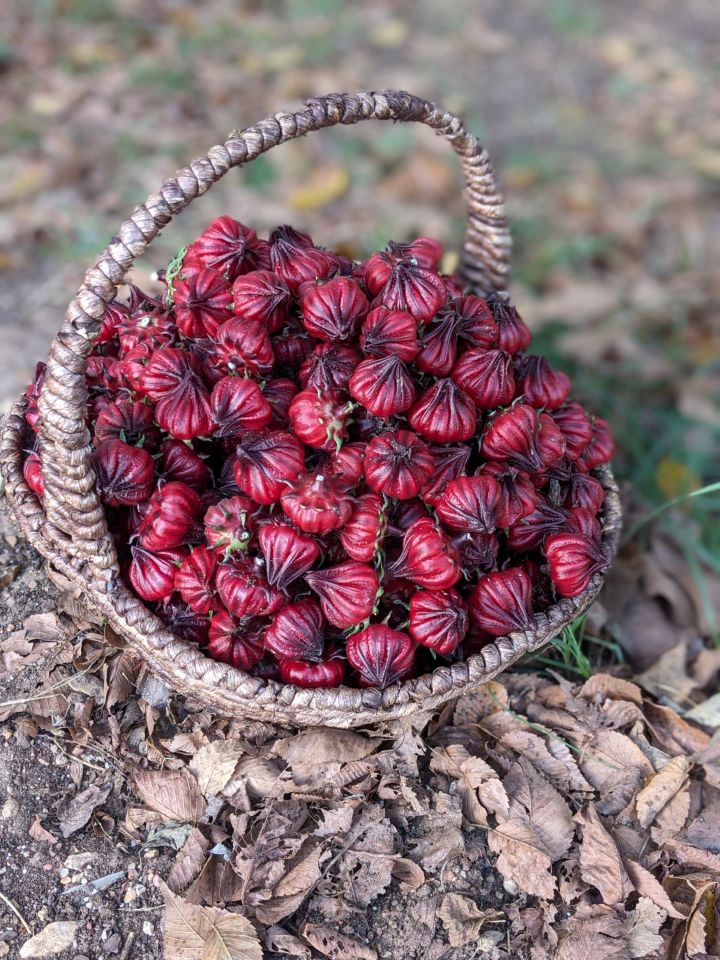
Hibiscus sabdariffa – Roselle, Florida Cranberry, Jamaican Sorrel
Leonotis leonurus – Lion’s Tail
Ochna serrulata – Mickey Mouse Plant
Pelargonium sp. – Scented Geraniums
Ricinus communis – Castor Bean
Return to Pharmacy Garden
It is the policy of The Herb Society of America, Inc. not to advise or recommend herbs for medicinal or health use.
This information is intended for educational purposes only and should not be considered as a recommendation or an endorsement of any particular medical or health treatment. Please consult a health care provider before pursuing any herbal treatments.